Wednesday, 9 September 2015

LENTILS


Lentils are a really useful base for all sorts of dishes --I make lots of soup which my husband adores for lunch and usually include lentils ( plus sometimes split peas and barley). These items are all really low GI plus low in fat and filling and tasty plus cheap. I use all sorts of other vegetables and bits of chicken or meat to give flavour plus herbs and tomatoes --and indeed anything in the cupboard, vegetable basket or fridge.

I was lecturing to hospital caterers on Monday and suggesting lentils to boost up the nutritional content of meals for vegans --I often grind lentils to do this and then add to all sorts of dishes

I came across  good information at
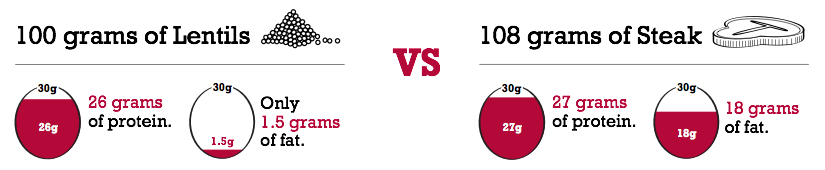
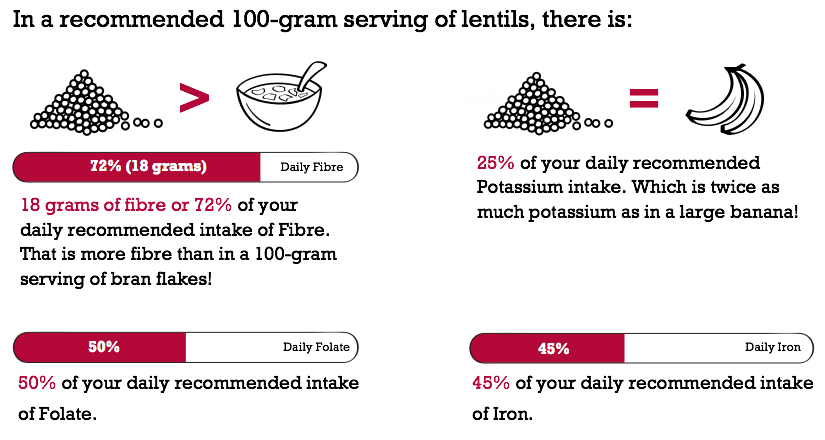
http://www.lentils.ca/health-nutrition/


Friday, 17 July 2015

KETTERING HOSPITAL HEALTH EVENT

All are welcome to this important event at Kettering General Hospital


Our Annual Members' Meeting will take place on Tuesday 21st July in the Prince William Lecture Theatre from 4.00pm till 7.00pm.

We will have short presentations on Orthopaedics (hip conditions) and Cardiac Care.

There are over 23 stands on display with staff available to talk with you including audiology, dermatology, chronic pain services, bowel cancer services to psychiatry and lots more!

The Executive team and Governors will be on hand to meet with you.

Find out about the Trust's 5 year plans going forward.

The main presentation of the annual report and accounts will be at 6.00pm.
Free car parking in Staff Car Park E.


Sunday, 12 July 2015

NUTRITION AND HERBAL MEDICINE

HERBAL MEDICINE

I often see people who require dietary advice who are also taking herbal items. Some grow these themselves while others buy them from various suppliers.

While this is not my field of expertise I do feel it is important to but from reputable suppliers. I was very interested to attend a meeting on this subject with speakers from producers such as Potters plus expert medical herbalists.
People have been taking such products for centuries, but since May 2011 herbal remedies come under special regulations.
Certain products such as such as St John’s wort, need to be registered with the MHRA and can only be sold for the conditions for which they are registered.
The MHRA says the scheme is designed to address problems with poor quality herbal remedies, some of which were found to be adulterated or contained the wrong herb. also some products are not suitable for those who are pregnant or taking certain medications
The scheme was tightened further from May 2014. All manufactured herbal medicines now have to be authorised by the MHRA in order to be sold and supplied lawfully in the UK.

Unlike licensing for mainstream medicines, registration doesn't mean a herbal remedy has been tested and proven to actually work.
It does mean the MHRA is satisfied the product is made to good quality standards with appropriate labelling and a product information leaflet. It also means the herb has been used in traditional remedies for more than 30 years.
Registered products carry a special THR leaf logo.
200x200_new_herbal_remedies_registration

Saturday, 30 May 2015

WORLD MILK DAY

Milk is really useful after sport --which not everyone knows.

Milk is an important liquid and 1st June is coming up fast and that is WORLD MILK DAY

 The Dairy Council, highlights how milk plays an important role in children's development, post exercise and in older age.

          Milk provides toddlers with the energy they need. Whole milk  and full-fat dairy products provide toddlers with energy for rapid growth. They also provide protein and phosphorous which are essential for normal bone development in children.

·         Milk can support us after exercise. Milk contains protein, carbohydrate and electrolytes which are particularly important for those engaged in all levels of sport and physical activity.

·         Studies show milk helps with rehydration after sport. When we sweat we lose electrolytes which are essential for the normal function of cells - sodium and potassium in milk help to maintain electrolyte balance,
milk also has a high water content.

·         Studies show milk helps muscles to recover. The level of carbohydrate and protein in milk contribute to the recovery of muscles after exercise when muscle glycogen stores have been depleted.

·         Milk helps us maintain strong muscles as we get older. Increasing protein intake through milk, in conjunction with resistance exercise, will help to protect against muscle wasting as we get older.

Dr Anne Mullen, Director of Nutrition at The Dairy Council, said: "Milk is an excellent source of nutrients essential for development and growth of bone, and muscle maintenance".



Wednesday, 29 April 2015

Dietitian's diary --SENSE meeting

 Dietitians diaries seem to abound --but not so many from the UK.

 Yesterday a SENSE meeting.

So thought I would try and write something about what I do. I have been writing this blog for a while now and it has been just really random with ideas that seem topical.

Yesterday I went to a meeting of SENSE in London. As it says below it is for nutritionists and we have a really good support network for information.

http://www.sense-nutrition.org.uk/


Sunday, 19 April 2015

high calorie recipes


I have been cooking a lot lately --developing some high calorie recipes for use in the care sector. Last year I spoke about the need for such recipes at a Master class.
"Mabel Blades delivered a stirring and motivating talk on the challenges of catering in the care sector, and hints & tips on how to fortify dishes and attain that all-important ‘bliss point’ – the perfect mix of sugar, salt and fat.
Talking about the masterclass, Simon Muschamp said: “Pritchitts has had an unprecedented response to the masterclass, we wanted to inspire caterers in the face of the many challenges they encounter in the care sector, which include budgetary pressures, time constraints and treating malnutrition. Millac Gold can play an integral role when it comes to giving caterers more flexibility, whilst also helping them to fortify dishes. We hope that the session has given our caterers food for thought, when they return to their working kitchens, and the confidence to try something new.”
Indeed one of the attendees, Sue Franey, Catering Manager at Pembroke House said: “It was a wonderful masterclass, I thoroughly enjoyed the day, and the networking was very useful – as were the delicious recipes that we got to try.”
Mable Blades commented: “It was a brilliant day, what Pritchitts is doing is truly inspirational I’m hoping that further masterclasses can take place in the future.”
http://www.pritchitts.com/

Wednesday, 1 April 2015

saturated fat


Saturated Fat, Dairy and Cardiometabolic Disease:  

Why there needs to be a fresh look at the evidence was the topic of a Dairy Council Conference


Associations between saturated fat and disease have been imprinted for decades, particularly with respect to cardiovascular disease and type 2 diabetes, or “cardiometabolic” disease  as a collective.

Dietary guidelines in the UK recommend that no more than 10% of dietary  energy should come from saturated fat. Current intakes of saturated fat in the UK adult population are at about 13-15% of dietary energy. 

Milk and dairy foods are nutritious foods, contributing a wide array of nutrients in significant amounts to all age groups in the UK, but are often targeted in saturated fat reduction campaigns.


The conferncence looked at this in detail.