But as there is so much happening as regards health and nutrition feel it is time to start again.
Tuesday, 21 June 2016
STARTING AGAIN
I have had a rest from blogging for a while
But as there is so much happening as regards health and nutrition feel it is time to start again.
Tuesday, 9 February 2016
MEALS ON WHEELS
The NACC has a petition to save meal on wheels
Government petition
Make Meals on Wheels services in the UK a statutory protected service.
The Meals on Wheels service in the UK has been around for more than 70 years and provides older, vulnerable and disabled people living in the community with the provision of a hot subsidised meal delivered to their home daily by local authorities and other providers. The service is keeping individuals well-nourished and socially independent whilst helping to prevent malnutrition related illnesses that can lead to hospital admission, costing the tax payer more money.
With ongoing budget cuts impacting on the Meals on Wheels provision in the UK, many have been closed down, or significantly reduced as a means to save money. Currently this is a discretionary service (not statutory by law). In 2014, the National Association of Care Catering found that over a third of councils had already shut down the service.
The Meals on Wheels service delivers more than just a meal; the service addresses many issues that matter today in an aging society including loneliness, social isolation and safety in the home. For many older and disabled people the daily interaction they get with the Meals on Wheels driver is the only human contact they have all day.
With the spending cuts to be announced in coming weeks it is without a doubt that even more services will disappear in the coming months leaving more people without access to a hot meal.
This petition is to call upon the government to consider making Meals on Wheels a statutory protected service for those considered most at risk in the community to help ensure greater provisions across England, Scotland and Wales. Meals on Wheels is currently a discretionary service and this needs to change.
To sign the Government petition please go to the website
http://www.thenacc.co.uk/events/Governmentpetition.
Saturday, 23 January 2016
CHILDHOOD OBESITY
Yesterday I went to a meeting in London on Childhood Obesity organised by the Dairy Council
London, 22nd January 2016: Swapping sugary drinks for milk or water will help to combat the growing risk of childhood obesity, experts explained today.
Childhood obesity is at the top of the public health agenda, yet children continue to consume excess calories through sugar-sweetened drinks. Experts are calling for a simple substation of sugar-sweetened drinks for
healthier beverages to help reduce body fat and body weight in children.
Research also shows that dairy plays a positive role in weight loss by increasing fat oxidation (burn), fat excretion and suppressing the appetite. Milk and dairy foods are a nutritious and integral part of the diet in the UK, packed full of nutrients such as calcium, iodine, B group vitamins, and proteins.
Following National Obesity Week, diet and lifestyle experts came together in London at a conference organised by The Dairy Council and supported by AHDB Dairy to address the development and reduction of childhood obesity - from pregnancy to playground.
The conference also looked at the impact maternal diet in pregnancy has on the risk of obesity in children.
The implications of childhood obesity for future health are significant, such as increased risk of cardiovascular disease, type 2 diabetes, some cancers and disability.
Dr Anne Mullen, Director of Nutrition at The Dairy Council, said: "Childhood obesity is undoubtedly a pressing concern in public health and policy, but it remains a hot topic in research with many questions still
un-answered. Childhood obesity is a topic that's rarely off the scientific, media and political agenda".
"There is unending controversy over dairy?s relationship with weight loss. There is however growing evidence that suggests dairy can, in fact, suppress the appetite and increase fat excretion, playing a key role in a healthy and balanced diet. Not only that, but milk is the most simple sugar-swap for drinks containing calories and very little other nutrition in children?s diets in the UK".
Throughout the afternoon, a number of leading experts from across Europe who are at the forefront of understanding childhood obesity presented their research on the positive impact of dairy on childhood obesity.
http://www.milk.co.uk/
London, 22nd January 2016: Swapping sugary drinks for milk or water will help to combat the growing risk of childhood obesity, experts explained today.
Childhood obesity is at the top of the public health agenda, yet children continue to consume excess calories through sugar-sweetened drinks. Experts are calling for a simple substation of sugar-sweetened drinks for
healthier beverages to help reduce body fat and body weight in children.
Research also shows that dairy plays a positive role in weight loss by increasing fat oxidation (burn), fat excretion and suppressing the appetite. Milk and dairy foods are a nutritious and integral part of the diet in the UK, packed full of nutrients such as calcium, iodine, B group vitamins, and proteins.
Following National Obesity Week, diet and lifestyle experts came together in London at a conference organised by The Dairy Council and supported by AHDB Dairy to address the development and reduction of childhood obesity - from pregnancy to playground.
The conference also looked at the impact maternal diet in pregnancy has on the risk of obesity in children.
The implications of childhood obesity for future health are significant, such as increased risk of cardiovascular disease, type 2 diabetes, some cancers and disability.
Dr Anne Mullen, Director of Nutrition at The Dairy Council, said: "Childhood obesity is undoubtedly a pressing concern in public health and policy, but it remains a hot topic in research with many questions still
un-answered. Childhood obesity is a topic that's rarely off the scientific, media and political agenda".
"There is unending controversy over dairy?s relationship with weight loss. There is however growing evidence that suggests dairy can, in fact, suppress the appetite and increase fat excretion, playing a key role in a healthy and balanced diet. Not only that, but milk is the most simple sugar-swap for drinks containing calories and very little other nutrition in children?s diets in the UK".
Throughout the afternoon, a number of leading experts from across Europe who are at the forefront of understanding childhood obesity presented their research on the positive impact of dairy on childhood obesity.
http://www.milk.co.uk/
Tuesday, 19 January 2016
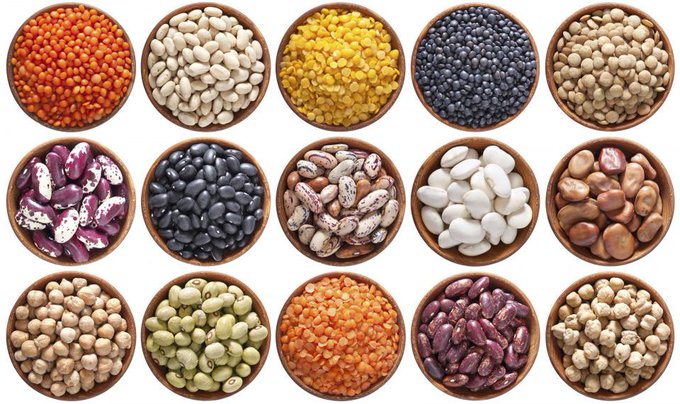
International Year of Pulses 2016
I am a great fan of pulses and use all sorts such as
- lentils in soups and meat dishes,
- kidney beans in chillis, bean salads and stir fries
- chick peas in curries
They are really easy to use and can be dried or bought in cans which is often more convenient. Also they are useful for protein and fibre not to mention cheap!
The 68th UN General Assembly declared 2016 the International Year of Pulses
http://www.fao.org/pulses-2016/en
There are loads of lovely recipes on the site

Sunday, 10 January 2016
DIABETES NUMBERS
Firstly Happy New Year
I gather that there are now 4 million people in the UK with diabetes --mainly type 2 which is linked with obesity
Diabetes UK has some good information and lovely recipes
I gather that there are now 4 million people in the UK with diabetes --mainly type 2 which is linked with obesity
Diabetes UK has some good information and lovely recipes
Friday, 18 December 2015
CUTTING CARBOHYDRATE AT CHRISTMAS
- Format: Kindle Edition
- File Size: 3094 KB
- Print Length: 44 pages
- Publisher: Dr Mabel Blades (29 Nov. 2015)
- Sold by: Amazon Media EU S.à r.l.
Saturday, 12 December 2015
REGISTERED DIETITIANS
People often ask me about what is a dietitian, nutritionist or nutritional therapist
As a registered dietitian I am regulated by the HCPC and there are clear standards.
The British Dietetic Association have produced a really helpful booklet for people which explains the difference.
https://www.bda.uk.com/publications/dietitian_nutritionist.pdf
As a registered dietitian I am regulated by the HCPC and there are clear standards.
The British Dietetic Association have produced a really helpful booklet for people which explains the difference.
https://www.bda.uk.com/publications/dietitian_nutritionist.pdf
Subscribe to:
Posts (Atom)